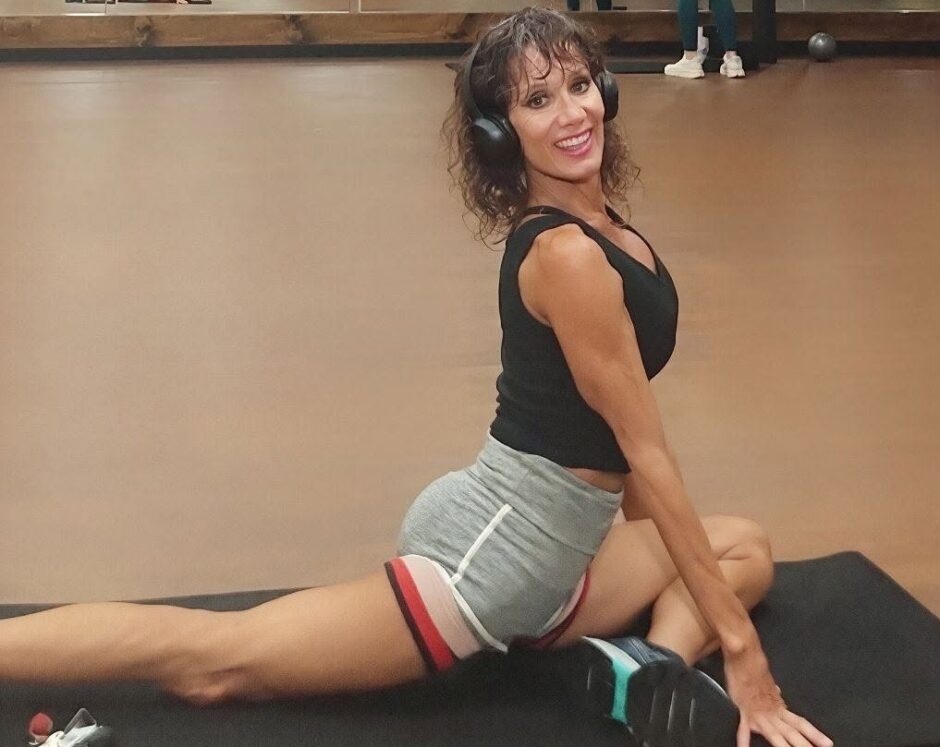
· @Faraday
The workout that was quietly working against me

Here’s a confession: for years I thought “more” was the answer. If one hard class felt good, then the same hard class every single day must be even better, right?
It took me a while to learn that the body keeps score. After 50, our bodies are still incredibly capable, but they ask for something different. They want variety. They want rhythm. And they want recovery to be treated as part of the workout, not a reward you earn when you’re done.
That’s what cross-training is all about. Instead of hammering the same muscles and joints day after day, you rotate between different types of exercise so every part of your body gets worked, and every part gets a chance to rest. It’s how I train now, and it’s the single biggest reason I can stay consistent without getting sidelined by aches and injuries.
Let me walk you through why it matters, exactly how I structure my week, and the recovery habits that keep me coming back stronger.
Why the same workout every day can hurt you
Overuse injuries don’t usually come from one dramatic moment. They build slowly, from the same movement repeated over and over without enough time for tissues to repair. Every workout creates tiny amounts of stress in your muscles, tendons and bones. Given rest, your body rebuilds them stronger. Without rest, the damage stacks up faster than you can repair it.
Common overuse injuries include:
- Tendinitis in the shoulders, elbows, knees or Achilles, from repeating the same pushing, punching or impact movements.
- Stress fractures, tiny cracks in bone from repetitive pounding, a bigger concern after menopause when bone density declines.
- Runner’s knee and shin splints from daily high-impact work.
- Lower back strain from heavy lifting on muscles that are already tired.
- Muscle imbalances, when the muscles you always use get tight and strong while the ones you skip get weak, pulling joints out of alignment.
Then there’s overtraining, which affects your whole body, not just one joint. Watch for these signs:
- Feeling tired all the time, even after a good night’s sleep
- Workouts that suddenly feel harder, or performance that stalls or slips
- Soreness that lingers for days
- Trouble sleeping, irritability or low mood
- Getting sick more often
After 50, we recover more slowly than we did at 30. That’s not a reason to do less. It’s a reason to train smarter.
My method: hard days, gentle days, and lots of water and wheels
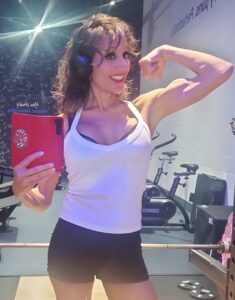
My whole approach comes down to one simple rule: cycle the high-intensity work with low-impact movement, and limit heavy weights to three or four days a week. That gives each muscle group time to recover before I ask it to work hard again.
On my hard days, I do Body Combat (a high-energy, martial-arts-inspired cardio class), strength classes, body conditioning or a bootcamp. On my gentle days and in between, I swim, bike or walk. All three keep my heart pumping and my blood flowing, which actually helps sore muscles recover, while putting very little pressure on my knees, hips and back.
Here’s what a typical week looks like for me:
| Day | Morning or main workout | Later in the day |
|---|---|---|
| Monday | 1 hour bike or swim | Rest |
| Tuesday | Body Combat and/or strength training class | Bike or swim, late afternoon |
| Wednesday | Heavy legs | Evening walk or bike |
| Thursday | Body Combat + body strength conditioning | Rest |
| Friday | Morning bootcamp | Swim or bike |
| Saturday | Bike or swim | Walking the dogs |
| Sunday | Bike or swim | Walking the dogs |
My body conditioning days hit everything: full-body and core work, plus upper-body moves like push-ups, chest press, shoulder press and back rows, along with squats and lunges for the lower body. Because I spread that work across the week and follow each hard day with something gentle, no single joint or muscle group gets hammered two days in a row.
A few things I’ve learned from training this way:
- Gentle doesn’t mean wasted. An easy swim or bike ride is “active recovery.” It moves blood through tired muscles and loosens stiff joints.
- Listen to your body, not your ego. If you wake up wiped out, swap a hard class for a swim. The plan serves me, not the other way around.
- The dogs count! A daily walk is some of the best low-impact movement there is, and they never let me skip it.
Recovery is where the magic happens
Your muscles don’t get stronger during the workout. They get stronger afterward, while your body repairs them. So I treat recovery as seriously as the training itself.
1. I eat right after I train. Within about 30 minutes of a strength workout, I have some carbohydrates to replace the glycogen (stored energy) my muscles just used. Then I follow up with a small, high-protein meal with healthy fats. One of my favorites is an egg omelette with cheese and a slice of whole-grain toast. Protein gives your muscles the building blocks to repair, and after 50 we need more of it than we used to.
2. Red light therapy. I use red light therapy as part of my recovery routine to help soothe tired muscles and support my skin at the same time.
3. Daily PEMF with my Kloud mat. PEMF (pulsed electromagnetic field) therapy is part of my routine every single day. I use the Kloud technology to support circulation and help my body bounce back between workouts.
4. A 10-minute massage chair session. My newest habit! I’ve just started adding a quick 10-minute session in the massage chairs at the gym. It’s an easy way to loosen tight muscles and wind down before heading home.
None of these replace the basics. Good sleep, plenty of water and rest days are still the foundation. But stacking these tools on top helps me feel ready for the next workout instead of dreading it.
The other perks of cross-training
Avoiding injury is the big one, but cross-training gives you so much more:
- Balanced strength. Different activities work different muscles, so you build a body that’s strong all over, not just in the spots one workout targets.
- A healthier heart. Swimming, biking and high-energy classes all give your cardiovascular system a workout in different ways.
- Stronger bones. Mixing weight training and impact work with low-impact cardio supports bone density, which matters so much after menopause.
- Better balance and coordination. Moving in new ways, like punching and kicking in Body Combat or gliding through the water, keeps your brain and body talking to each other.
- No plateaus. When your body is always adapting to something new, you keep seeing progress.
- No boredom. Variety keeps workouts fun, and fun is what keeps you showing up.
- Built-in flexibility. Pool closed? Rainy day? Sore legs? With several activities to choose from, you can always find a way to move.
How to start cross-training this week
You don’t need my exact schedule to get the benefits. Start simple:
- Pick one or two higher-intensity workouts you enjoy, like a strength class, Body Combat or a bootcamp.
- Pick one or two low-impact activities, such as swimming, biking or walking.
- Alternate them so you’re never doing hard work on the same muscles two days in a row.
- Keep heavy lifting to three or four days a week.
- Eat a carb-and-protein recovery snack after strength days, and protect your sleep.
And always check with your doctor before starting a new exercise program, especially if you have joint, heart or bone-density concerns.
Feel your best at any age
Cross-training isn’t about doing less. It’s about doing the right things in the right rhythm, so you can keep moving, keep getting stronger and keep loving how you feel for years to come.
For more information on feeling your best at any age, go to Faraday Fitness 50+. Inside, you’ll find a full strength-training program, nutrition built for the post-menopausal body, and a whole module on recovery, from PEMF and red light therapy to massage. I’ll see you there!